Before renting a dumpster, think about the task's scope to establish the appropriate dumpster size, ranging from 10 to 40 backyards. Choose a rental period that fits your needs, from a couple of days to several weeks or months. Acquaint yourself with local regulations and restrictions, consisting of restricted products and essential permits. Recognize the total rental cost, consisting of dumpster size, rental duration, and weight capacity, along with additional charges like overweight or late costs. By recognizing these vital elements, you'll be well-prepared for a successful dumpster rental experience, and discovering further will give much more useful insights to guarantee a hassle-free project.
Determining the Right Dumpster Size
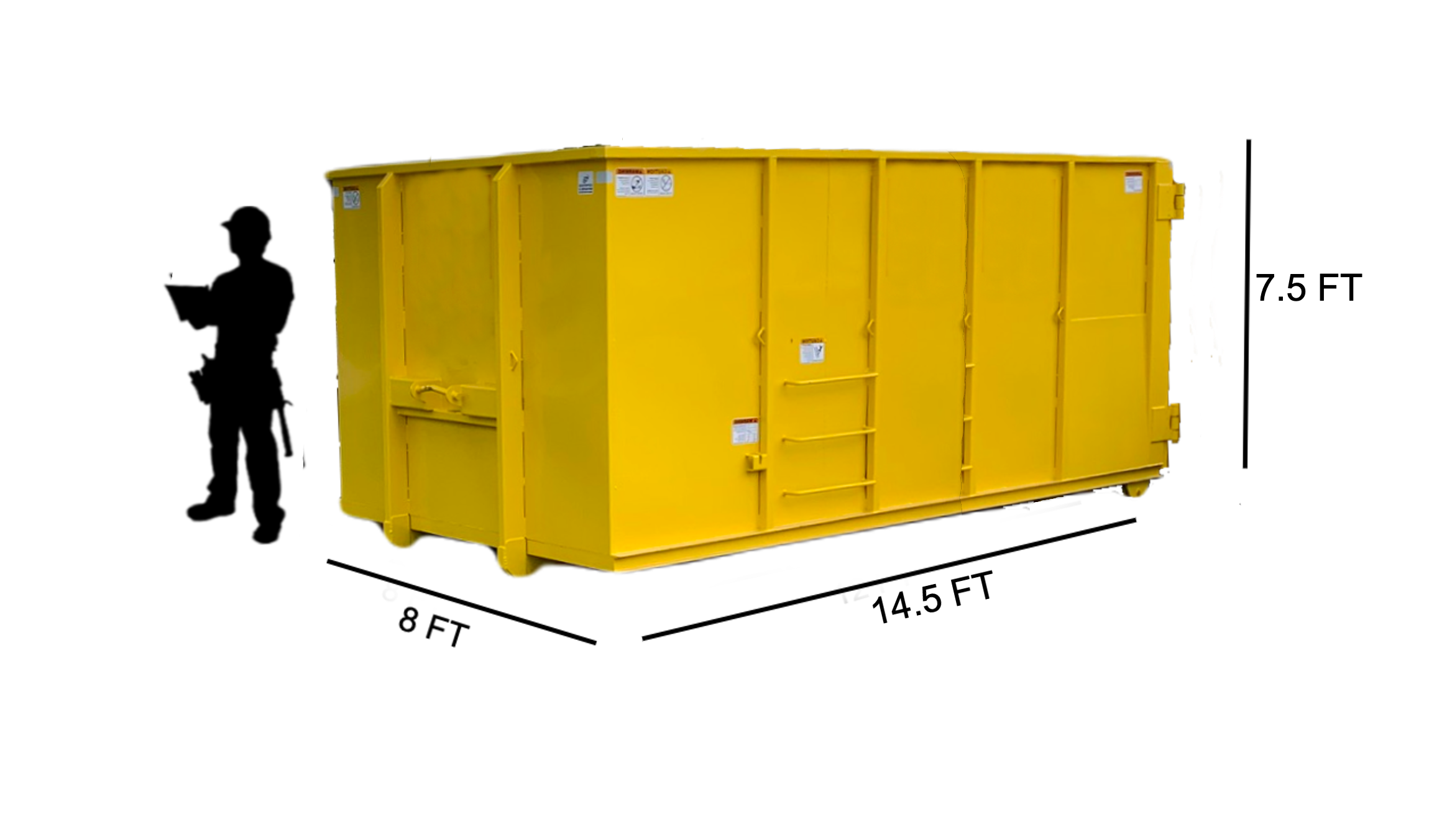
Common dumpster sizes range from 10 to 40 yards, with the most preferred dimensions being 20 and 30 yards.
A 20-yard dumpster appropriates for tiny to medium-sized projects, such as washroom or kitchen remodels, while a 30-yard dumpster is suitable for larger projects, like building and construction or demolition.
Understanding Rental Duration Options
Once you've figured out the right dumpster size for your job, it's time to contemplate the rental period that will certainly finest suit your requirements. The rental duration is a substantial facet of dumpster rental, as it directly impacts the overall cost and efficiency of your project.
A common rental duration can vary from a couple of days to numerous weeks or perhaps months, depending upon the range of your project.
Short-term leasings are perfect for small-scale projects, such as clearing out a solitary area or doing some minor renovations.
Medium-term services appropriate for larger jobs, like refurbishing an entire residence or cleaning a business property.
Long-term rentals are often needed for construction projects, demolitions, or large clean-ups that require extended durations of waste disposal.
Some dumpster rental firms likewise supply adaptable rental periods, permitting you to change the period of your leasing as needed.
Local Rules and Restrictions
Every dumpster rental project need to adhere to local regulations and restrictions, which can differ substantially relying on the area and kind of project.
These regulations usually determine where and exactly how dumpsters can be positioned, as well as the kinds of products that can be thrown away. For instance, some communities might have specific guidelines regulating dumpster placement on public roads or pathways, while others may restrict the disposal of certain materials, such as hazardous waste or building and construction debris.
It's crucial to study and understand the regional guidelines and constraints in your area prior to leasing a dumpster.
Failure to comply can cause fines, penalties, or perhaps project delays Make sure to check with your local government or public works division for certain guidelines and allows needed for your project.
Additionally, your dumpster rental provider may have the ability to offer guidance on neighborhood regulations and help you browse the process.
Permitted and Prohibited Items
When it concerns dumpster rental, understanding what can https://grain-boil.uncrn.co/blog/what-do-you-need-to-learn-about-dumpster-rental/ and can not be dealt with is essential to stay clear of any kind of concerns or added fees.
Failure to follow the standards can result in additional costs, hold-ups, and even termination of the rental service.
- Most dumpster rental companies permit disposal of: Household junk and clutter Yard waste, such as branches and leaves Construction products, like lumber and drywall Furniture and appliances Non-hazardous commercial waste
It's crucial to keep in mind that particular products are purely prohibited from being taken care of in a dumpster, including hazardous materials, electronics, batteries, tires, and chemicals.
These products call for special handling and disposal procedures to stay clear of environmental harm
Be sure to talk to your dumpster rental service provider for an extensive list of allowed and prohibited things to guarantee a smooth and stress-free experience
Calculating Overall Rental Costs
Understanding the total rental costs is a vital facet of dumpster rental, as it aids avoid shock costs and guarantees an economical experience.
When calculating the complete rental expenses, consider the dumpster size, rental duration, and weight capacity Normally, dumpster rental firms bill by the dimension of the dumpster, which varies from 10 to 40 backyards. The rental period additionally affects the expense, with longer durations causing higher fees. In addition, the weight capability of the dumpster plays a substantial function in establishing the complete expense, as overloading can cause extra fees.
To obtain an accurate quote, ask your rental business regarding their pricing structure and any type of potential discounts Some business provide discount rates for long-term leasings, while others might offer special promotions for novice customers.
Be sure to consider any type of regional tax obligations or fees that might apply to your leasing. By comprehending the overall rental prices, you can plan your spending plan appropriately and stay clear of any type of unexpected expenses
Additional Fees to Expect
Beyond the preliminary rental expenses, there are additional fees to expect when renting a dumpster, which can rapidly build up otherwise effectively accounted for.
These extra charges can be shocking, but recognizing what to anticipate can help you far better plan your budget
Some usual additional costs to anticipate consist of:
- Overweight fees: If the dumpster goes beyond the agreed-upon weight limitation, you may be billed extra per ton. Late fees: Failing to return the dumpster in a timely manner can cause everyday or regular penalties. Disposal fees: Some rental firms might bill added for disposing of certain materials, such as contaminated materials or electronics. Delivery and pick-up costs: You may be billed individually for the price of supplying and grabbing the dumpster. Permit fees: Relying on your area, you might need to acquire authorizations or licenses, which can contribute to your total cost.
Choosing the Right Rental Company
Selecting a reputable dumpster rental company is important to ensuring a seamless waste monitoring experience A reputable business will certainly supply you with the right-sized dumpster, deliver it on schedule, and offer adaptable rental periods.
To find the very best fit, research study neighborhood companies and review on-line evaluations from previous clients. Look for companies with a solid online reputation, excellent customer service, and transparent pricing Be wary of business with covert costs or vague terms.
When contrasting companies, consider their dumpster dimensions, rental durations, and weight limits. Validate the firm can fit your certain demands, whether it's a small household cleanup or a large construction project.
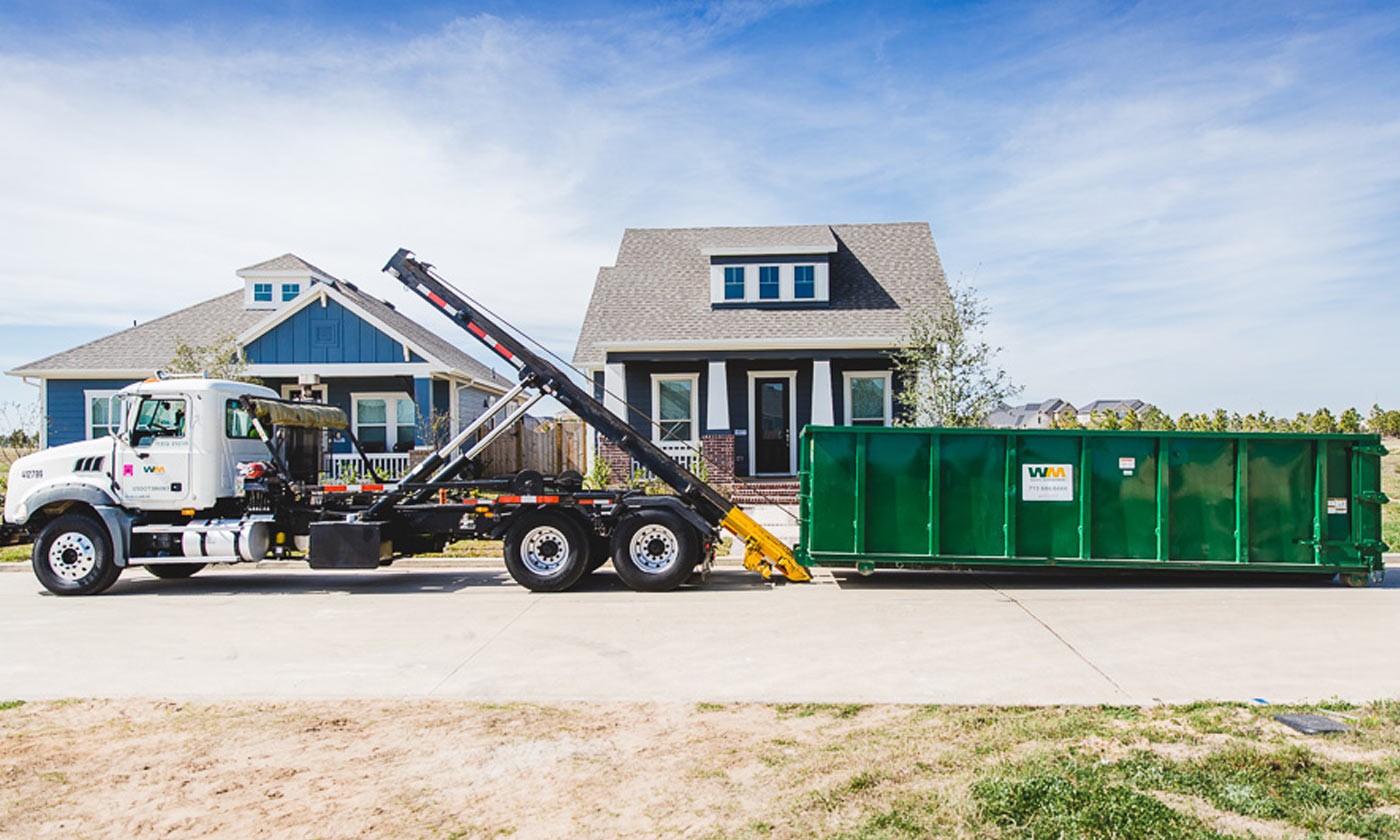
Additionally, inquire about their disposal approaches and whether they adhere to environmentally accountable practices By choosing a credible firm, you can feel confident that your waste will certainly be handled efficiently and responsibly.
Preparing the Shipment Site
Once you have actually chosen a reputable dumpster rental company, it's time to prepare the delivery site to ensure a smooth and efficient drop-off procedure. This step is necessary to ensure that the dumpster is supplied safely and properly, which you can begin utilizing it immediately.
To prepare the shipment site, ensure to:
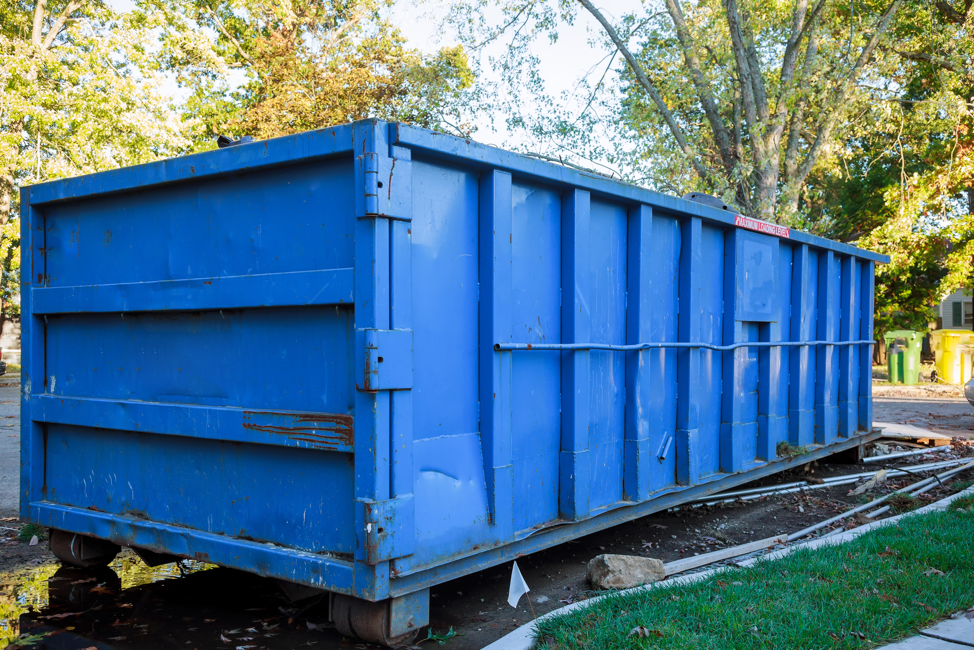
- Clear the location of any barriers, such as autos, trees, or power lines, to give a clear path for the delivery truck. Verify the surface area is level and firm, as dumpsters can not be put on irregular or soft ground. Remove any overhanging branches or cords that might interfere with the dumpster's placement. Designate a specific area for the dumpster, bearing in mind the dimension and sort of dumpster you've rented. Have a clear understanding of the dumpster's measurements and weight capability to make sure it fits in the designated area
Ensuring Safe and Efficient Use
Proper use of a dumpster rental is vital to secure a safe and effective waste management process This entails adhering to the rental business's standards and taking necessary preventative measures to avoid accidents and injuries.
Make sure that just authorized personnel run the dumpster and that it is positioned on a level, firm surface area to stop tipping or changing. Furthermore, keep the dumpster tidy and devoid of debris to facilitate simple loading and unloading of waste.
It's likewise vital to comply with the weight and size restrictions specified by the rental company to prevent straining the dumpster. Overloading can lead to safety and security threats, damages to the dumpster, and additional fees.
Moreover, segregate hazardous materials and recyclables from general waste to follow local regulations and decrease ecological impact.