When taking into consideration dumpster rental, a number of key factors entered into play to assure effective, cost-effective, and certified garbage disposal. Figuring out the right dumpster size, recognizing the sorts of debris that can be taken care of, and ensuring appropriate positioning and access are all important. Additionally, rental duration and scheduling, weight and volume capability limits, compliance with local regulations, and comparing rental expenses and services are crucial factors to consider. By very carefully reviewing these elements, you can maximize your waste monitoring procedure, decrease costs, and prevent prospective risks; now, explore each of these essential considerations in more information to make an educated decision.
Determining the Right Dumpster Size
When undertaking a job that entails waste disposal, one crucial aspect to consider is the dumpster size The appropriate dumpster dimension assurances efficient waste management, conserving time, cash, and reducing environmental impact.
A dumpster that is also tiny can lead to frequent emptying, resulting in additional costs and disturbances to the project. On the various other hand, a dumpster that is also big can be a waste of sources and space.
To establish the appropriate dumpster dimension, take into consideration the task's scope, type of products to be taken care of, and the available room for the dumpster. A basic rule of thumb is to approximate one cubic lawn of dumpster room for every single 3-4 tons of waste.
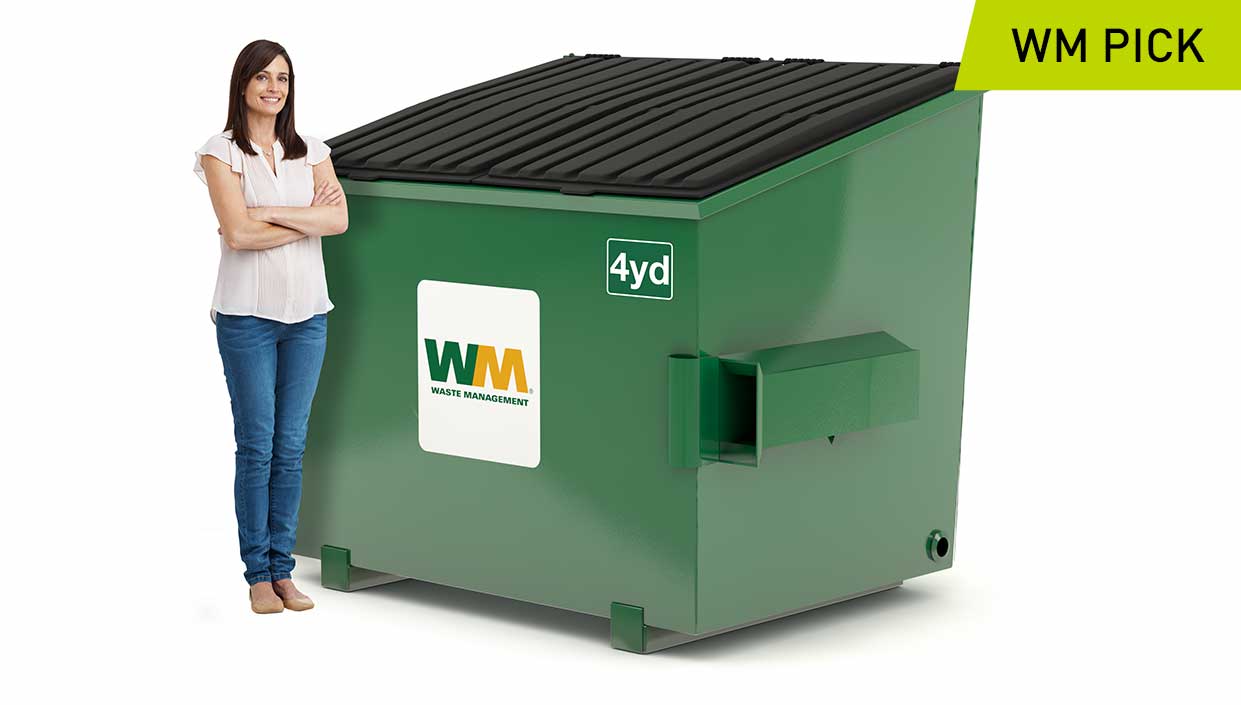
It is likewise essential to check with local regulations and the dumpster rental company for certain dimension needs and restrictions. By picking the appropriate dumpster size, you can guarantee a smooth and environmentally friendly waste disposal process.
Types of Particles You Can Dispose
The sort of particles you can dispose of in a dumpster rental is a vital consideration to ensure a smooth waste administration process Different dumpsters are created to manage specific kinds of waste, and recognizing what can and can not be gotten rid of is vital.
Construction and demolition jobs usually produce hefty products like concrete, asphalt, and roof covering products, which call for specialized dumpsters.
Household clean-ups, on the various other hand, may include getting rid of furnishings, appliances, and general garbage, which can be dealt with by common dumpsters.
Yard waste, such as tree trimmings and leaves, might additionally be thrown away in assigned dumpsters.
However, hazardous materials like batteries, electronic devices, and chemicals call for special handling and should not be placed in a typical dumpster.
Additionally, some dumpsters may have details weight limits or constraints on materials like dust, rocks, and heavy machinery.
Understanding the kinds of particles you can get rid of will guarantee you select the right dumpster for your job and prevent any type of potential issues or fines
Dumpster Placement and Accessibility
Proper dumpster positioning and accessibility are important aspects to ponder when renting out a dumpster, as they can greatly influence the efficiency and safety and security of your waste management process
A well-placed dumpster can simplify your cleanup efforts, reduce labor costs, and prevent accidents. On the other hand, bad placement can result in increased costs, decreased productivity, and also injuries.
When determining the ideal positioning for your dumpster, take into consideration the adhering to vital variables:
- Confirm the dumpster is located on a degree, company surface area to prevent it from shifting or tipping over. Choose an area that is easily available for both the delivery truck and your group, reducing the threat of damages to bordering property. Place the dumpster in close proximity to the waste generation location to decrease transport ranges and labor costs. Avoid putting the dumpster near above obstacles, such as power lines or tree branches, to verify safe and efficient loading and unloading
Rental Duration and Scheduling
Once the ideal dumpster placement has been established, focus can change to the logistics of the rental itself. An essential aspect of this is the rental period, which can differ depending upon the job's extent and timeline.
It's vital to determine how much time the dumpster will be needed, as this will affect the overall cost of the service. Some projects might call for a short-term service, while others may require a longer period.
When organizing the leasing, it's important to take into consideration the delivery and pickup dates Validate that the dumpster is delivered at a hassle-free time, permitting reliable loading and minimizing disturbances to the project.
Similarly, routine the pick-up day when the task is total, or the dumpster is full, to avoid additional fees Respectable dumpster rental business will certainly work with you to suit your scheduling needs, providing versatility and convenience.
Weight and Quantity Capacity Limits
Accommodating diverse task needs, dumpster rental business offer containers with varying weight and volume capacity limits Understanding these limits is essential to guarantee a successful and hassle-free rental experience
- Weight capacity limits vary from 1-10 heaps, depending on the dumpster size and kind, and are normally gauged by the weight of the particles inside the container. Volume ability limits are usually gauged in cubic backyards and variety from 10-40 lawns, with larger containers fitting even more waste. Choosing the appropriate weight and volume capacity limitations for your project prevents overloading, lowers the danger of damage to the container or bordering building, and guarantees compliance with security regulations. Proper preparation and estimate of waste volume and weight likewise aid minimize the demand for several pickups or additional rental fees, leading to cost savings and an extra efficient task timeline.
Compliance With Neighborhood Regulations
Local governing conformity is a crucial element of dumpster rental, as communities and local governments impose specific rules and restrictions on waste disposal.
Failure to abide can lead to fines, penalties, and also task delays. It is very important to study and comprehend the neighborhood policies regulating dumpster leasing in your location, including permits, licenses, and zoning restrictions
Some communities have certain policies regarding dumpster placement, size, and kind. For example, some locations may call for dumpsters to be placed on personal property, while others may allow them to be put on public streets.
Additionally, some cities have laws around the types of materials that can be thrown away in dumpsters, such as hazardous waste or building materials.
To determine conformity, it is essential to collaborate with a http://piedmont-triad-dumpsters.iamarrows.com/browsing-last-minute-clean-up-the-comfort-of-same-day-dumpster-rentals respectable dumpster rental business that is familiar with neighborhood regulations.
They can assist you through the procedure, acquire necessary licenses, and warranty that the dumpster is positioned and made use of in accordance with neighborhood laws.
Comparing Rental Prices and Services
- What is the total cost of the rental, including delivery, pick-up, and disposal fees? What sizes and types of dumpsters are available, and which one is ideal for your project? Are there any type of additional services offered, such as same-day delivery or versatile rental periods? What are the terms of the contract, consisting of the rental period and any type of charges for very early termination?