Renting a dumpster like a professional calls for careful preparation and focus to information to guarantee a successful project. To obtain it right, it's crucial to pick the appropriate dumpster size, recognizing that tiny tasks need 10-yard dumpsters, while bigger building jobs need 30-yard ones. Think about rental duration, place, and particles kind to properly estimate costs, and know prohibited items to prevent penalties. Strategically putting the dumpster and filling it successfully will simplify waste removal and maintain your job on track. By complying with these vital tips, you'll be well on your means to a hassle-free dumpster rental experience, and there's a lot more to uncover to ensure your job's success.
Choosing the Right Dumpster Size
When embarking on a project that entails significant waste generation, renting a dumpster is frequently a necessary action. The secret to a successful dumpster rental experience lies in picking the right dumpster size for your particular needs.
A dumpster that is also small can bring about multiple journeys to the landfill, leading to increased prices and wasted time. On the various other hand, a dumpster that is too huge can be a waste of sources and use up useful room on your job site.
To identify the optimal dumpster size, consider the type and volume of waste you anticipate to create. For instance, a small 10-yard dumpster might be suitable for minor renovations or backyard cleanings, while a larger 30-yard dumpster is much better suited for bigger building tasks or business cleanouts.
Additionally, think about any certain regulations or limitations in your location that may affect the size of dumpster you can rent. By taking the time to select the best dumpster dimension, you can ensure a smooth and efficient waste administration process
Understanding Dumpster Rental Costs
Having picked the appropriate dumpster dimension, it's just as vital to understand the costs connected with renting a dumpster. This will certainly aid you strategy and budget for your project, guaranteeing a smooth and worry-free experience.
Dumpster rental expenses can differ depending on a number of elements, consisting of:
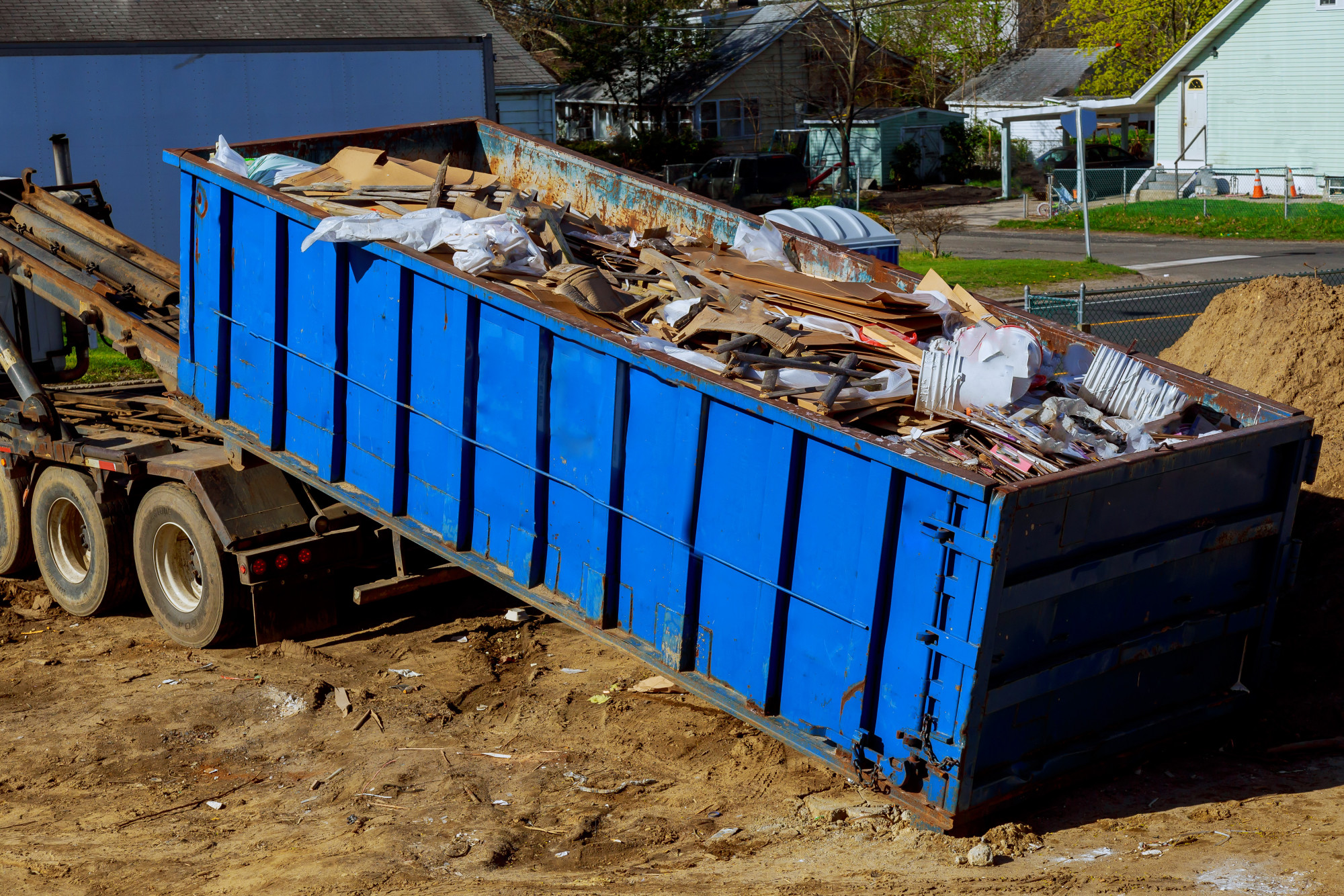
- Rental duration: The longer you need the dumpster, the greater the cost. Dumpster size: Larger dumpsters call for even more materials and labor, resulting in greater prices. Location: Rental prices differ relying on the area, with metropolitan locations generally being extra costly than rural areas. Debris kind and weight: Disposing of hefty or unsafe materials may sustain additional fees.
Understanding these factors will aid you make an educated choice when renting out a dumpster.
Be sure to ask your rental supplier concerning any kind of added prices or fees related to your details task. By doing so, you can stay clear of unforeseen costs and remain within your budget.
What Can Enter the Dumpster
Within the boundaries of your rented dumpster, you can take care of a large range of unwanted materials, from household junk to construction debris This includes old furnishings, home appliances, and electronics that are no more useful or needed.
You can likewise do away with renovation waste, such as drywall, flooring, and roof materials. In addition, yard waste like branches, leaves, and lawn cuttings can be thrown away in the dumpster.

If you're cleaning out your attic or basement, you can throw away old boxes, documents, and various other miscellaneous products that are taking up space.
Remember to follow the guidelines established by your dumpster rental company, as they may have specific guidelines concerning what can and can not be put in the dumpster.
It's necessary to guarantee that you're only throwing away allowed products to avoid any additional fees or charges. By understanding what can enter the dumpster, you can efficiently and effectively remove unwanted items and declutter your space.
Prohibited Products and Materials
Disposing of undesirable products via a dumpster rental can be a convenient and effective method to declutter your space, but it's important to recognize the prohibited items and products that can not be positioned in the dumpster.
These things can present environmental hazards, damages the dumpster, or even endanger the safety of those dealing with the waste.
- Hazardous waste, such as batteries, electronic devices, and chemicals Liquids, including paint, solvents, and fuels Flammable materials, consisting of gas storage tanks and fireworks Large devices, such as fridges and air conditioners
Strategically Placing Your Dumpster
Positioning your dumpster in a strategic location is important to ensure a seamless waste monitoring process This assures easy access for filling and dumping waste, while also reducing disturbances to your daily activities.
When selecting an area, take into consideration the closeness to the location where waste will certainly be generated, such as a building and construction site or a home restoration location. In addition, select a place that is conveniently available for the dumpster delivery van and has sufficient space piedmonttriaddumpsters.com to accommodate the dumpster's size.
Ascertain the area is level, company, and stable to stop the dumpster from changing or falling over. Avoid positioning the dumpster near power lines, water meters, or other energies that could be damaged.
Also, talk to your local authorities to identify if any kind of authorizations are called for to put a dumpster on your residential or commercial property. By purposefully putting your dumpster, you can guarantee a hassle-free waste monitoring experience and avoid potential issues or fines.
Efficiently Filling up the Dumpster
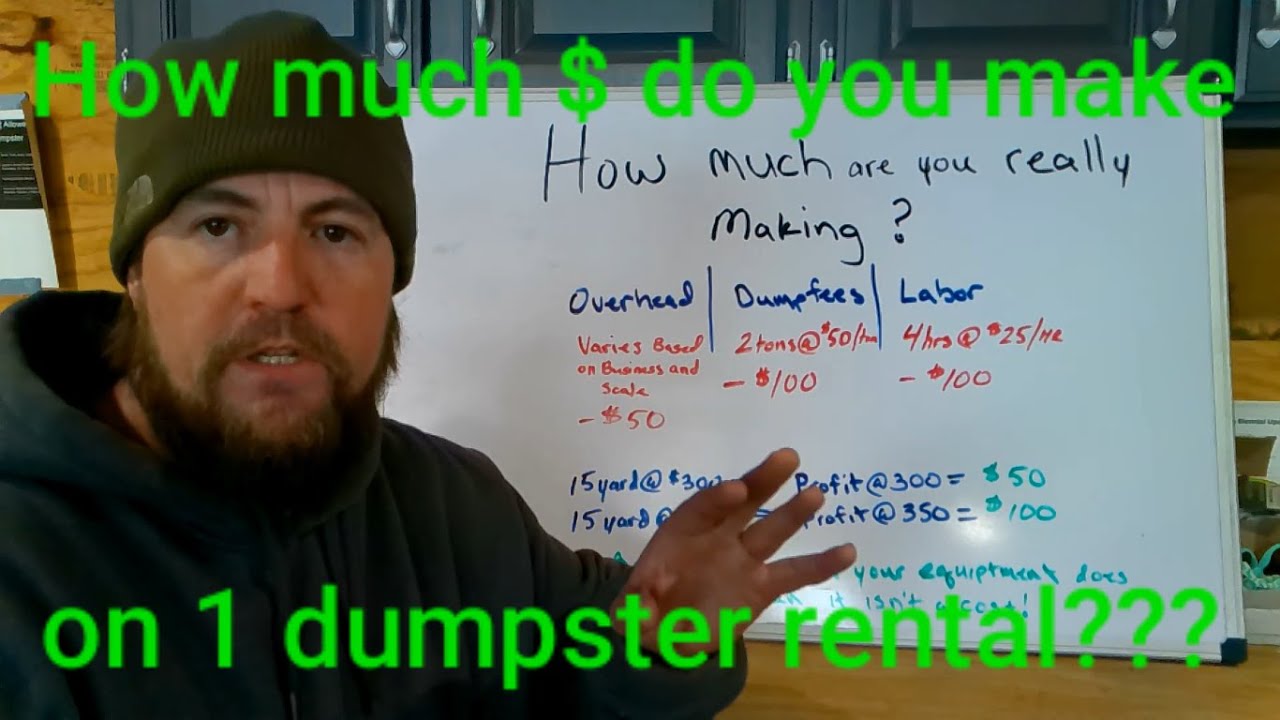
Once your dumpster is purposefully positioned, it's time to concentrate on successfully loading it. This is necessary to maximizing the dumpster's capability and lessening the risk of overfilling or underutilizing the space.
To fill your dumpster like a professional, maintain the following suggestions in mind:
- Load hefty items first, such as building and construction debris or heavy furniture, to develop a stable base and avoid moving throughout transport. Break down bulky items, like appliances or large furniture, to maximize the dumpster's space. Fill in gaps and corners with smaller sized products, like boxes or loosened products, to eliminate wasted space. Keep the dumpster organized by organizing similar materials together, making it less complicated to get rid of them properly.