When renting a dumpster, 3 essential considerations can make all the difference. First, understanding local regulations is crucial, as licenses, dimension constraints, and product standards can differ significantly. Next off, choosing the right dumpster size is essential, as it affects performance and cost-effectiveness, with preferred dimensions ranging from 20 to 40 cubic lawns. Ultimately, selecting the correct dumpster type, such as roll-off, front-load, or compactor, is necessary to cater to certain job requirements. By focusing on these essential variables, people and companies can guarantee a seamless and economical dumpster rental experience, and uncover even more ways to optimize their waste management project
Understanding Regional Regulations
Some typical guidelines consist of obtaining permits, adhering to specific dumpster sizes and kinds, and adhering to standards for positioning and duration.
Additionally, some locations might have restrictions on the types of materials that can be thrown away in a dumpster, or requirements for dividing recyclables.
Understanding these laws upfront can assist you intend your job more effectively, making sure that you're in compliance and staying clear of any possible setbacks.
Choosing the Right Dumpster Size
When intending a job that needs a dumpster rental, comprehending local regulations is simply the initial step.
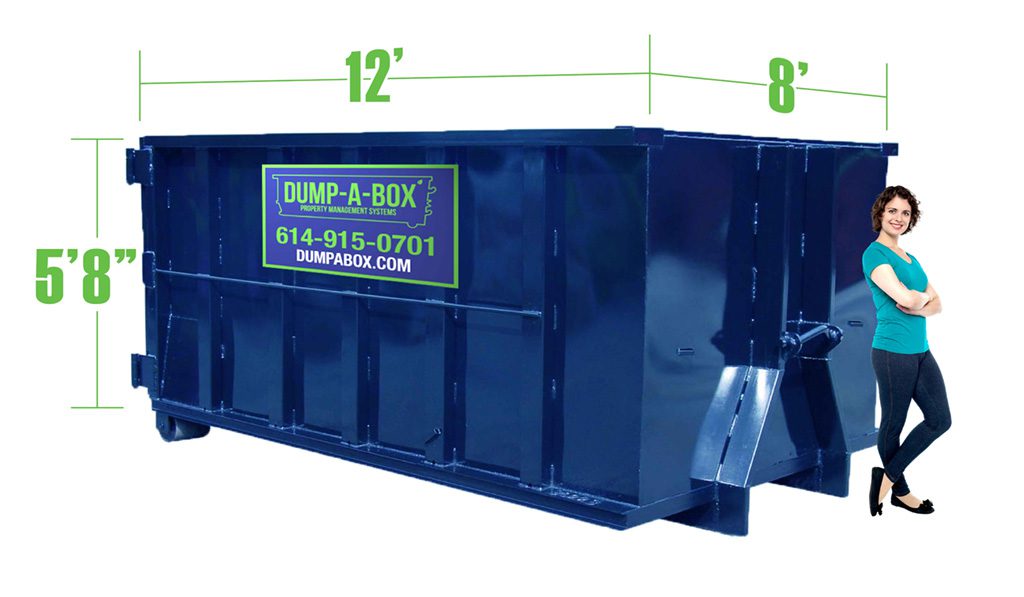
The next off vital factor to consider is picking the right dumpster size for your details demands. This choice can significantly influence the efficiency and cost-effectiveness of your project. A dumpster that is too little might lead to multiple rentals, causing enhanced expenses and logistical hassles. On the other hand, a dumpster that is too huge might squander useful room and resources.
To figure out the excellent dumpster dimension, take into consideration the range and range of your task. Price quote the quantity of waste you expect to produce https://www.storeboard.com/blogs/arts/dumpster-rentals-101-crucial-tips/5929256 and consider any kind of specific demands, such as accommodating cumbersome things or heavy materials.
Common dumpster sizes vary from 10 to 40 cubic yards, with 20 and 30 cubic yards being preferred selections for domestic and business jobs. By selecting the ideal dumpster dimension, you can ensure a smooth and successful project that remains within budget and schedule.
Selecting the Appropriate Dumpster Type
Project requirements dictate the necessity of a particular dumpster kind to ensure reliable waste management and avoid logistical complications.
Different jobs need unique dumpster types to suit varying waste streams, capacities, and site restraints. Selecting the proper dumpster kind guarantees a seamless waste monitoring experience, stopping expensive hold-ups and environmental hazards.
When picking a dumpster type, think about the following elements:
- Roll-off dumpsters: ideal for large-scale building and construction, demolition, and landscaping jobs, offering high-capacity waste storage and easy transportation. Front-load dumpsters: appropriate for business establishments, dining establishments, and stores, supplying normal waste collection and small storage. Rear-load dumpsters: frequently utilized for household waste collection, using hassle-free packing and unloading operations. Compactor dumpsters: created for high-volume waste generators, such as grocery stores and health centers, including built-in compactors for efficient waste compression. Specialty dumpsters: satisfying unique job demands, including contaminated materials disposal, building debris recycling, and organics composting.