To warranty a successful dumpster rental experience, adhere to these 7 easy steps: identify your task's waste needs by identifying the kind and quantity of waste produced, then choose the right dumpster size to prevent overloading and security threats. Establish a clear rental period, prepare the site for shipment, and tons the dumpster effectively to maximize area. Familiarize yourself with debris disposal rules and arrange a pick-up and elimination that fits your task timeline. By taking these actions, you'll be well on your way to a hassle-free waste management experience that fulfills your job needs efficiently and cost-effectively, and comprehending these actions is simply the start of an effective project.
Determine Job Waste Needs
Project waste management is a critical element of a successful dumpster rental experience It's necessary to determine the kind and amount of waste your job will create to guarantee you have the right equipment to handle it efficiently.
Start by determining the type of project you're taking on, whether it's a home restoration, building, or unique occasion. This will assist you prepare for the volume and composition of waste
Consider the products you'll be working with, such as drywall, lumber, or concrete, and estimate the weight and mass of the waste. Additionally, think about any specialty items that may require special handling, like electronics or dangerous materials.
Choose Right Dumpster Size
With a clear understanding of your project's waste needs, the next action is to select the ideal dumpster size to effectively manage the volume and type of waste generated.
Dumpster sizes vary significantly, ranging from 10 to 40 lawns, and choosing the correct size is essential to guarantee the smooth implementation of your project. A dumpster that is too little will certainly cause frequent emptying, resulting in enhanced prices and disruptions. Alternatively, a dumpster that is as well large will certainly occupy even more room than essential and might not fit in your project area.
To identify the optimal dumpster size, consider the type and volume of waste you anticipate to produce. As an example, a 10-yard dumpster is suitable for small-scale renovations or yard cleanups, while a 30-yard dumpster is much better fit for large construction projects or estate cleanouts.
Additionally, think about the weight capacity of the dumpster, as overloading can cause safety and security dangers and added fees. By choosing the ideal dumpster dimension, you can ensure a hassle-free waste management experience and concentrate on completing your job efficiently.
Set Clear Rental Duration
A well-defined timeline is necessary to an effective dumpster rental experience. Recognizing precisely the length of time you'll need the dumpster assurances you're not stuck with it for longer than essential, and avoids unnecessary extension fees. When setting your rental duration, take into consideration the extent of your task, the quantity of waste you'll generate, and your team's work pace.
To aid you figure out the excellent rental duration, keep the following factors in mind:
Project timeline: The length of time will your project take to finish? Be sure to consider any kind of prospective delays or setbacks.
Waste generation rate: How quickly will you fill the dumpster? If you're generating waste rapidly, you may need a shorter rental duration to stay clear of overflow.
Delivery and pick-up schedules: When can the dumpster be supplied and grabbed? Warranty you have a clear understanding of the rental business's organizing policies.
Budget constraints: What is your budget for the rental period? Be mindful of extension charges and plan appropriately to stay clear of unforeseen costs.
Prepare Site for Delivery
Clearing the method for a smooth dumpster delivery is equally as vital as establishing a reasonable rental period. To avoid any last-minute hassles, ensure the delivery site is free from challenges, such as parked vehicles, building and construction equipment, or overhanging branches. A clear path allows the dumpster to be put securely and efficiently, decreasing the threat of damage to your residential or commercial property or nearby structures.
Additionally, take into consideration the dumpster's dimension and placement it appropriately. Normally, a 20-yard dumpster requires about 60 feet of clearance area. Measure the location to ensure the dumpster fits pleasantly, leaving enough area for easy accessibility and loading
Remove any kind of loose particles, such as rocks or branches, to avoid damages to the dumpster or bordering surfaces.
Load Dumpster Efficiently
Behind every effective dumpster rental lies an efficiently filled dumpster, which not only conserves you time and money but likewise assures a problem-free experience.
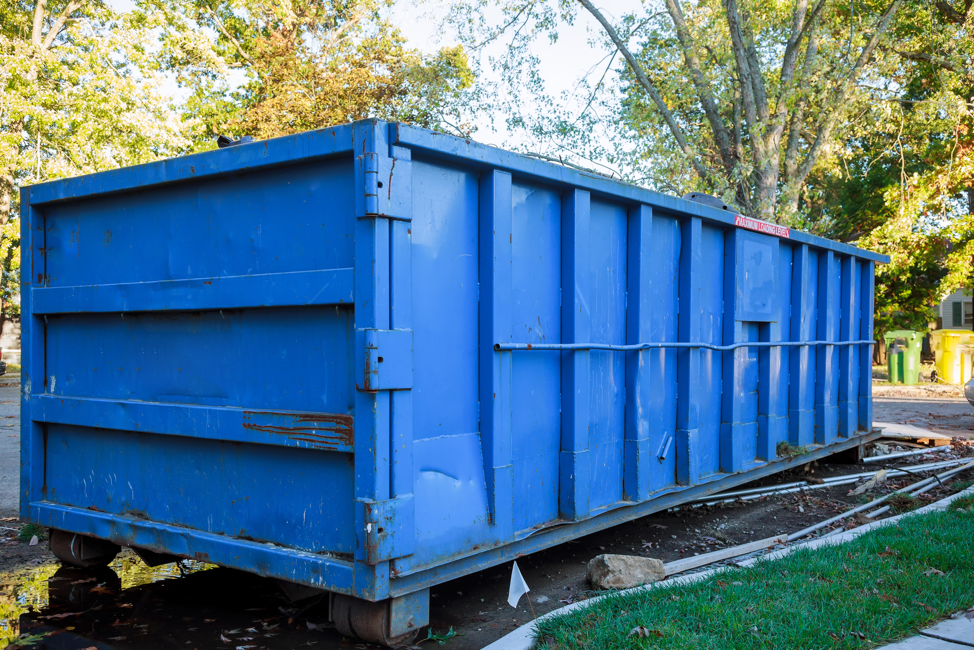
A well-loaded dumpster assurances that you make the most of the available area, reducing the demand for additional rentals and lessening garbage disposal costs.
To accomplish optimal loading, comply with these straightforward standards:
Start with a clear plan: Organize your waste right into groups, such as building and construction debris, house items, and recyclables, to assure efficient loading.
Load heavy items first: Location hefty products like concrete, bricks, or appliances at the end of the dumpster to provide a steady base.
Fill in voids and corners: Usage smaller sized items like boxes, bags, or loose products to complete voids and corners, making the most of the readily available space.
Keep it level and balanced: Distribute the weight uniformly throughout the dumpster to prevent moving throughout transportation and guarantee secure disposal.
Follow Particles Disposal Rules
Proper debris disposal is vital to a successful dumpster rental experience Falling short to adhere to policies can result in additional fees, environmental hazards, and also lawful consequences.
To warranty a smooth process, it is necessary to understand what can and can not be placed in the dumpster. Beginning by checking with your rental provider for particular guidelines, as regulations might vary depending on neighborhood policies and the sort of waste being disposed of.
Generally, hazardous materials like batteries, electronics, and chemicals are prohibited. In a similar way, large home appliances, tires, and construction materials might need special handling
Keep in mind that some items, such as bed mattress and fridges, https://postheaven.net/piedmonttriad-dumpsters/dumpster-rental-in-10-simple-actions-l14q may incur extra charges as a result of special disposal requirements
Schedule Pick-up and Removal
Once you've ensured responsible particles disposal by adhering to the guidelines, it's time to focus on the logistics of pickup and removal. This essential step guarantees that your dumpster rental experience is seamless and convenient.
To guarantee a smooth pick-up and elimination process, follow these actions:
Schedule pick-up in advance: Coordinate with the rental firm to set up a pick-up time that suits your requirements, allowing you to intend accordingly.
Confirm the pickup details: Confirm the pickup day, time, and area to stay clear of any kind of misunderstandings or delays.
Guarantee the dumpster is accessible: Clear the area around the dumpster to ensure very easy ease of access for the pickup, preventing any obstacles or hazards.
Be existing throughout pickup: Have a representative readily available to look after the pick-up procedure and attend to any type of concerns or problems that might arise.