To warranty an effective dumpster rental, adhere to these 10 vital steps: determine your dumpster needs by evaluating task extent and waste generation, pick the right dumpster size for performance, pick a reputable rental company, and recognize rental expenses. Prepare the delivery area, lots the dumpster effectively, and handle hazardous waste materials Arrange a timely pickup, evaluation and complete the rental details, and enlighten yourself on the rental procedure and waste management preparation. By adhering to these steps, you'll be well on your means to a hassle-free dumpster rental experience; and with a couple of more details, you'll be fully equipped to tackle your project with confidence.
Determine Your Dumpster Needs
Most building and construction and renovation projects generate a substantial amount of waste, making it important to establish your dumpster needs accurately. Falling short to do so can cause inefficient waste management, increased costs, and project delays
To establish your dumpster requires, begin by evaluating the scope and dimension of your task. Take into consideration the kind and amount of materials you'll be collaborating with, along with the period of the job. This will certainly provide you a rough quote of the waste volume you can expect to generate.
Additionally, consider the logistics of the job site, including the offered area for dumpster placement and the access of the area. By taking these variables right into account, you can make a notified decision regarding the kind and dimension of dumpster you need to rent.
This will certainly assure that you have the essential sources to manage waste efficiently and keep your project on track.
Choose the Right Dumpster Size
With a clear understanding of your job's waste generation potential, selecting the right dumpster size becomes a crucial step in guaranteeing efficient waste management
A dumpster that is also tiny will certainly lead to frequent emptying, boosting costs and interrupting your task's timeline. On the other hand, a dumpster that is as well large will not only be more pricey however additionally inhabit more space than necessary.
To establish the ideal dumpster size, think about the kind and quantity of waste you anticipate to produce. As an example, a 10-yard dumpster is suitable for tiny to medium-sized tasks, such as restroom renovations or backyard cleanups.
A 20-yard dumpster, on the various other hand, is much better suited for larger tasks, like cooking area remodels or building and construction tasks. It's vital https://piedmonttriaddumpsters3.wordpress.com/2024/10/29/reliable-dumpster-rentals-in-10-actions/ to accurately approximate your waste generation to assure you select a dumpster size that satisfies your needs.
Remember to also take into consideration any type of local regulations or constraints on dumpster sizes and positioning. By selecting the ideal dumpster size, you'll avoid unneeded migraines and assure a smooth waste monitoring process
Select a Credible Rental Company
While rates is essential, it's vital to consider the overall value you receive. A firm that offers excellent consumer service can make a significant distinction in your rental experience.
Additionally, confirm the company adheres to local guidelines, such as obtaining needed licenses and following environmental standards. By taking these variables right into account, you can find a reputable rental company that fulfills your needs and provides an easy dumpster rental experience.
Understand Dumpster Rental Costs
Several factors add to the overall cost of dumpster service, including the kind and dimension of the dumpster, rental period, and place. These variables can considerably influence the final bill, making it important to recognize just how each element affects the complete cost.
Dumpster Dimension and Type: The size of the dumpster you need will substantially affect the cost. Larger dumpsters need more materials and labor to produce, leading to a higher rental fee.Additionally, specialty dumpsters, such as those made for hefty materials or building waste, might include an added premium.
Rental Duration: The size of time you need the dumpster will certainly likewise affect the cost. Daily, weekly, and month-to-month rental choices are typically readily available, with longer service durations commonly resulting in reduced daily rates.
Location and Distribution Fees: The location of your job site can affect the cost of shipment, with backwoods commonly sustaining greater costs due to increased transportation costs.
Be sure to factor in these extra expenses when budgeting for your dumpster rental.
Prepare the Distribution Location
Accessibility is vital when it concerns preparing the delivery place for your dumpster service. Confirm the drop-off area is clear of obstacles, such as vehicles, trees, and power lines, to permit a smooth delivery process.
A flat, degree surface is additionally important, as it protects against the dumpster from moving during use. Additionally, think about the dumpster's size and confirm the shipment area can fit it comfortably.
Measure the width of your driveway, gate, or alley to verify the dumpster vehicle can fit through. Commonly, a standard dumpster truck needs a minimum of 10 feet of size and 20 feet of upright clearance.
If you have a slim driveway or restricted access, notify your dumpster rental provider beforehand to discuss different distribution options.
Plan for Garbage disposal Logistics
Properly intending waste disposal logistics is necessary to ensure a smooth dumpster rental experience. This vital action guarantees that your waste is gotten rid of efficiently and in an ecologically liable manner.
To achieve this, think about the following key factors:
Waste Type and Quantity: Determine the type and quantity of waste you require to take care of, as this will determine the size of the dumpster you require and the frequency of collections.

Collection Schedule: Coordinate with the dumpster rental firm to establish a collection schedule that satisfies your needs, making sure that the dumpster is cleared on a regular basis to stay clear of overflow and inconvenience.

Disposal Regulations: Familiarize on your own with regional garbage disposal policies to make certain that you comply with all pertinent regulations and guidelines, avoiding prospective fines or penalties.
Load the Dumpster Efficiently
Loading a dumpster effectively is vital to maximize its capacity, reduce the risk of overflow, and lessen the demand for additional collections. A well-loaded dumpster not only saves you money yet also guarantees a smoother waste disposal process.
To load successfully, start by positioning the largest and heaviest items near the bottom, such as furnishings and appliances. This provides a secure base for the rest of the waste. Next off, include smaller sized products like boxes, bags, and loose particles, filling out spaces and corners to decrease vacant space.
Break down bulky products like pallets and cages to optimize space usage Keep the dumpster's wall surfaces and flooring clear to stop damage and promote easy loading and unloading.
Manage Contaminated materials Materials
When it involves managing waste, hazardous products require special interest to validate they are handled and gotten rid of safely.
Improper disposal of contaminated materials can bring about major environmental and health consequences, making it important to take the essential precautions.
To verify accountable disposal, follow these guidelines for managing contaminated materials products:
Identify dangerous materials: Put in the time to arrange via your waste and different hazardous products such as batteries, electronic devices, and chemicals from non-hazardous waste.
Check regional regulations: Acquaint on your own with neighborhood regulations and guidelines for taking care of contaminated materials in your area. Some products may require special handling or drop-off locations.
Use assigned facilities: Make use of assigned centers or collection events for hazardous waste disposal, such as household hazardous waste collection centers or digital waste recycling centers.
Schedule a Timely Pickup
Once you've taken the essential actions to take care of hazardous waste materials, it's time to transform your interest to scheduling a timely pickup for your dumpster rental. This necessary action assurances that your project stays on track and stays clear of unnecessary delays.
When scheduling the pick-up, take into consideration the period of your rental period and the amount of waste you anticipate to create. Be sure to provide your dumpster rental company with a precise estimate of when the dumpster will certainly await collection.
It's essential to arrange the pickup throughout a time when the dumpster is easily accessible This will avoid any kind of added costs or logistical issues.
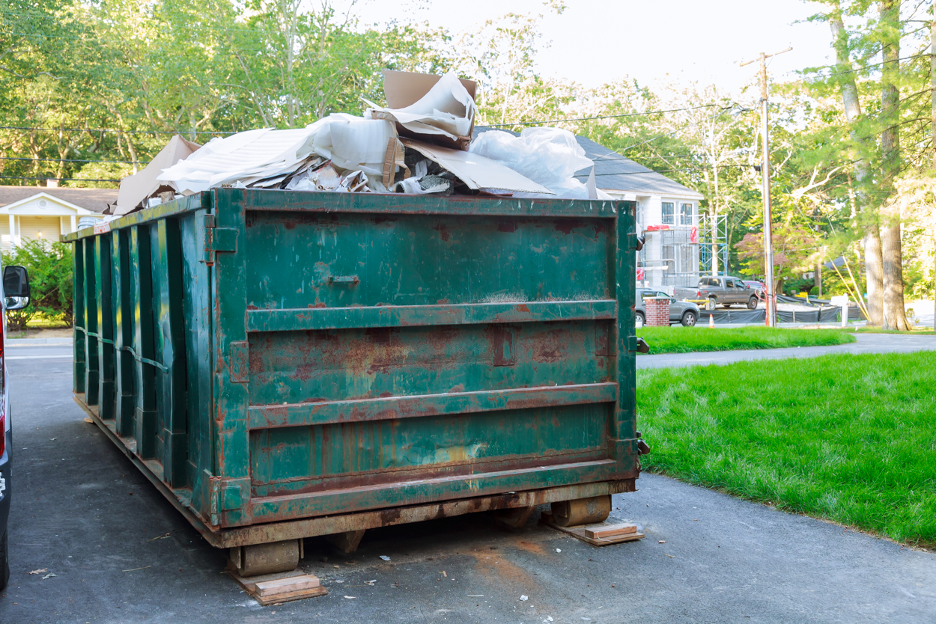
Additionally, confirm the pick-up details with your rental company to avoid miscommunication. By doing so, you can rest assured that the dumpster will be accumulated quickly, and your task will certainly continue to move on smoothly.
A timely pick-up is important to maintaining a successful dumpster rental experience
Review and Complete the Rental
With your job's waste monitoring needs appropriately dealt with and a timely pickup arranged, it's vital to assess and finalize the rental details to confirm a seamless experience.
This action assurances that all elements of the rental are straightened with your task's requirements, staying clear of any type of possible problems or misunderstandings.
To validate an effective dumpster service, review the complying with key details:
Rental Period and Extensions: Validate the rental duration and comprehend the procedure for expanding the rental duration if needed.
Container Size and Type: Ascertain the dumpster size and kind to verify it meets your job's waste monitoring needs.
Pricing and Repayment Terms: Review the complete expense, repayment terms, and any type of additional fees associated with the rental.